
Reliability is built in the house you already live in
Nobody becomes dependable at thirty. It's a set of small habits you start practicing now, on ordinary days, where you already are.
Think about the adults in your life. Now think about which one you'd call at 11pm if your car died on a back road.
You already know the name. And you know it fast, without weighing it up.
That's reliability. It's not a personality trait and it's not something that arrives with a driver's license or a paycheck. It's a reputation built out of hundreds of small, boring moments where somebody said they'd do a thing and then did it. You're building yours right now, whether you meant to start or not.
Start with the house you're in
The family you'll be relied on by one day is decades off. The family you can practice on is downstairs.
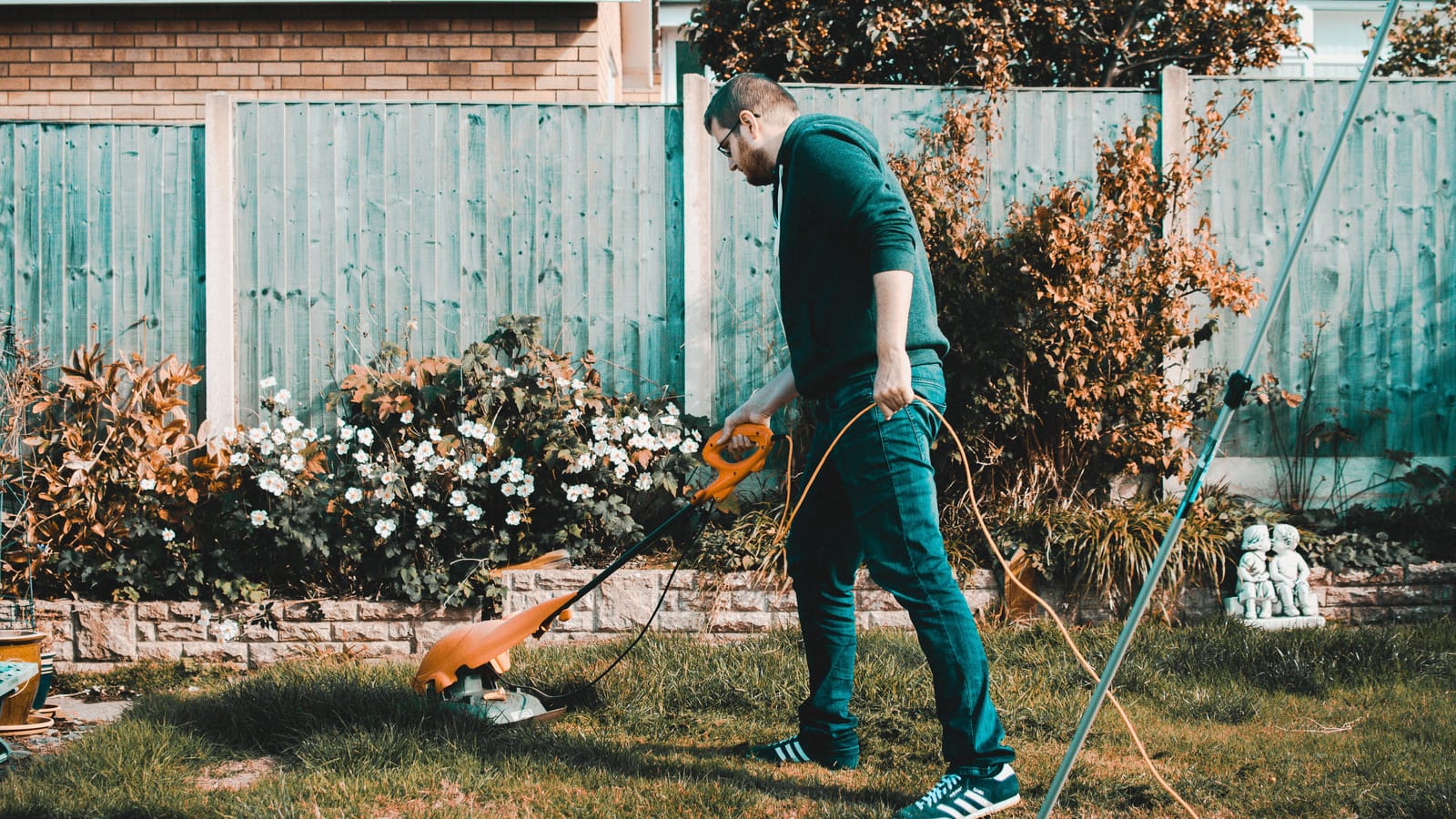
Most guys your age treat home as the place where the rules don't count. Effort goes to coaches, teachers, friends, the group chat. Home gets whatever's left, which is usually not much. That's backwards. Home is the training ground, because it's the only place where people see you on a Tuesday when you're tired and nobody's watching.
Practical version: pick three things in your house that nobody assigned to you, and make them yours. Not "help out more." Three specific things.
The trash goes out on the right night, without a reminder. The dishwasher gets emptied before anybody asks. Your younger brother gets walked to the bus stop. Whatever fits your house.
Then hold those three for a month. Not perfectly. Consistently.
The point isn't the trash. The point is that somebody stops having to think about the trash. That's what relying on a person actually feels like from the other side.
Be dependable on ordinary days, not just in emergencies
Plenty of guys are great in a crisis. They'll carry a heavy box, jump a battery, stay up with a friend who's having a bad night. Real stuff, and it counts.
But crises are rare and adrenaline does most of the work. The hard part is the unremarkable Wednesday where you said you'd be at your cousin's game and you don't feel like going.
Families don't run on heroics. They run on somebody being where they said they'd be, roughly forever.
So watch that gap in yourself. If you're impressive in emergencies and vague the rest of the time, you're not dependable yet. You're just dramatic in a useful direction.
Say what you'll do, then do exactly that
Three rules, and they're not complicated.
Be on time. If you said 6, be there at 6. Not 6:10 with a reason. Reasons are fine occasionally and worthless as a pattern.
Change plans before, not after. If you can't make it, the message goes out the moment you know. Not an hour later. Not after the thing has already started and somebody's been standing around looking at the door.
Say no clearly. The fastest way to wreck your word is to say yes to everything because saying no feels rude. Over-promising isn't generosity. It's just a slower way of letting people down. "I can't do Saturday, but I'm free Sunday" is a complete sentence and nobody will hold it against you.
Your word is the only asset here that compounds. Every kept commitment makes the next one more believable. Every broken one costs you about five kept ones to repair.
Learn the unglamorous skills before you need them
Competence is part of this. Being trusted means being useful, and being useful means knowing how things work.
Ask a parent, an uncle, a neighbor, or the shop teacher to walk you through these. Most of them take under an hour and people genuinely like being asked.
- Where the water shutoff valve is in your house, and how to close it
- Which breaker controls what, and how to reset one
- How to change a tire, all the way, including where the jack points are
- How to jump-start a car without frying anything
- How to run a load of laundry from sorting to folded
- How to clear a clogged drain without buying anything
- How to patch a small hole in drywall
- How to read a bill and know what you're actually being charged for
None of this is impressive on its own. All of it means that when something breaks at 7am, you're a person who helps instead of a person who watches.
Money you can be trusted with
You don't need a strategy. You need a track record.
If you borrow ten dollars from a friend, pay it back within a week without being reminded. If you're saving for something, actually save for it instead of announcing that you're saving for it. If you handle cash for a job, count it in front of the person who gave it to you.
People notice how you handle small amounts of money long before you ever handle large amounts. Nobody hands the big stuff to someone who was sloppy with the small stuff.
When you get into anything real, taxes, a loan, a first paycheck with deductions you don't understand, ask somebody who does this for a living. That's not weakness. Knowing which questions are above your pay grade is part of being dependable too.
When something goes wrong, be the first person to say so
You'll break something. You'll lose something. You'll do something you're not proud of. Everyone does.
The instinct is to hide it and hope. Fight that instinct, because bad news either travels fast or it travels expensive, and it's always cheaper early.
Go to a parent and say the plain version. "I backed into the mailbox." "I failed the test." "I said something I shouldn't have." No preamble, no story arranged to make you look better. Then say what you're going to do about it.
And if the problem is bigger than you, if somebody's pressuring you, if something happened that you can't unpick on your own, tell a trusted adult today. A parent, a teacher, your coach, your youth pastor, the school nurse. Any of them. You're not going to be in trouble for bringing it to them, and carrying it alone won't make it smaller.
The men people rely on aren't the ones who never mess up. They're the ones who tell you about it before you find out some other way.
Watch how you talk about your mother and your sisters
This one tells people everything.
How you speak to the women in your house when you're annoyed, whether you argue with your mom or you're rude to her, whether your sister gets respect or gets mocked in front of your friends. People clock it, and they're right to.
Nobody's going to trust you with a family later if you're careless with the one you've got. That's not a lecture. It's just how the math works.
The part nobody claps for
Most of this earns you nothing visible. You'll empty the dishwasher for two years and no one will mention it. You'll show up on time to things that didn't matter much. You'll say no to a few good nights out because you'd already committed to something duller.
If you're doing it for credit, you'll quit around week six when the credit doesn't come.
Do it because it's who you're deciding to be. Pray about it if that's part of your life, and it's worth being part of your life. Then keep going on the days it feels pointless.
Because somewhere out ahead of you, somebody is going to hand you something that really matters. A job. A promise. A person. And they won't do it because of anything you said.
They'll do it because of a hundred Tuesdays they watched and never mentioned.
Ade Fisher
Young Men
Teaches the trades intake at a community college. Writes the manual he wishes his students arrived with.

Read next