
Stay in the sport after you stop being the best at it
Somewhere around fourteen, sport stops being easy for almost everybody. What you do in the six months after that decides a lot.
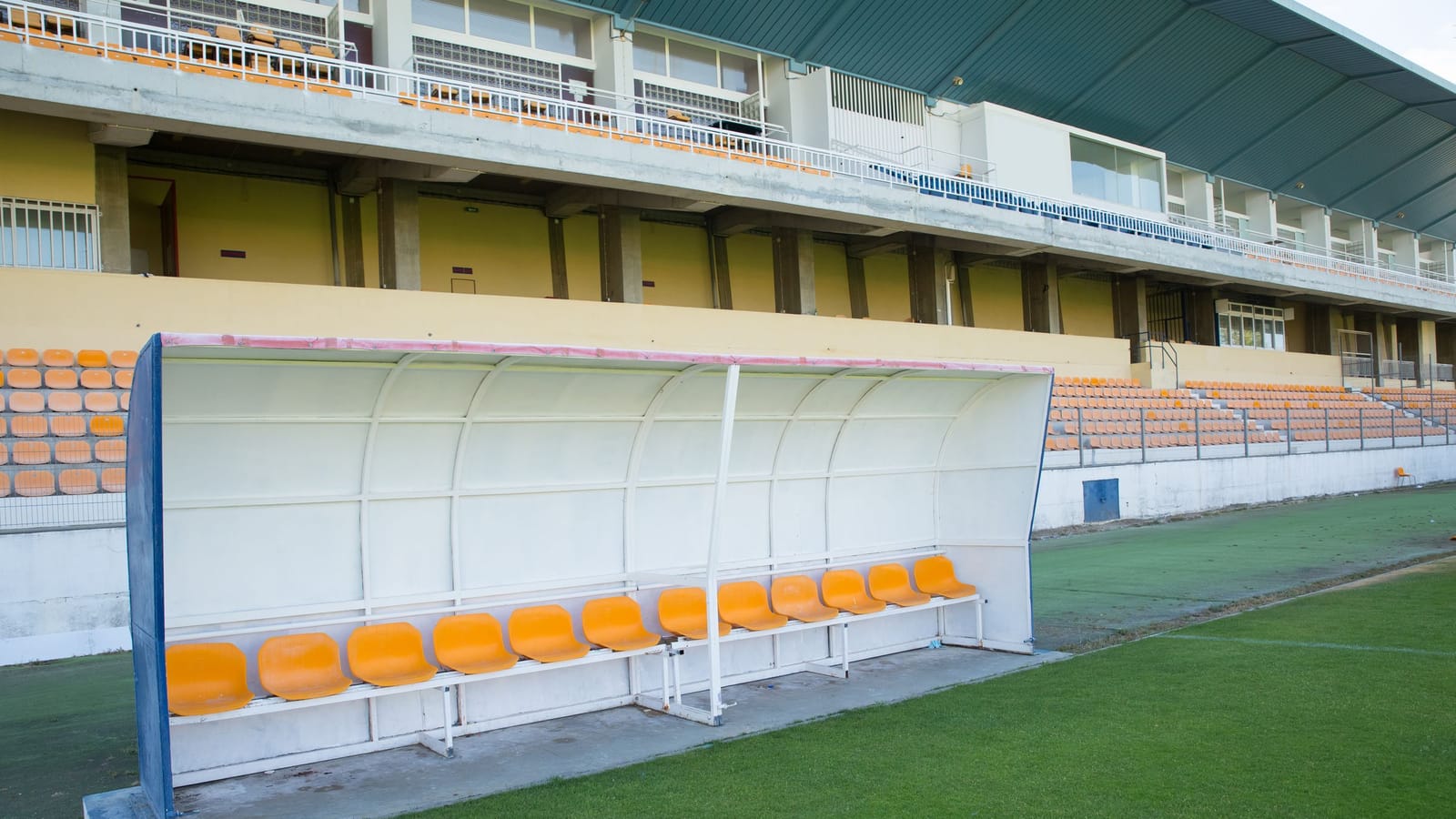
The list goes up on the gym door at 3:15 and your name is on the second sheet. Or you run the same time you ran last spring and finish fourth instead of first. Or a freshman you've never met takes your spot on the wing, and she's good, and everybody can see she's good.
That's the week a lot of girls quietly decide they're done. Not out loud. They just stop going to open gym in June, and by August it's over.
Don't make that decision in that week. Make it in March, after you've given yourself a real season of being ordinary. Being ordinary at something is survivable. It's also temporary more often than it feels.
Why it gets hard around now
Two things happen at once. Everyone's body is changing on a different timeline, so the girl who was half a head shorter than you in seventh grade is now taller and stronger, and none of that's a verdict on you. And the sport itself gets more organized. Coaches start running real systems. Effort stops being enough on its own.
The girls who stay are almost never the ones with the most talent at fourteen. They're the ones who found something to work on that wasn't dependent on being the fastest person on the field. Free throws. First touch. Serve receive. Breathing off the turn.
Pick one thing. Get properly good at it. Being the most reliable server on a volleyball team will keep you in a rotation for four years.
Get in a weight room, and treat it like a skill
This is the single biggest thing available to you, and most girls don't touch it until college, if ever.
Two sessions a week is enough. You're not there to change how you look. You're there so your knee doesn't buckle when you plant and cut in the second half of a game in October. The goal is that your body handles force.
Learn the movements from a person, not a phone. Ask your school's strength coach, or ask your head coach who they'd trust. A squat, a hinge, a push, a pull, and a carry covers almost everything. Start light enough that the last rep of a set of eight looks the same as the first. That's the whole standard.
The part nobody mentions: the first three weeks are awkward. You'll feel like everyone in the room knows what they're doing and you don't. They mostly don't either. Go at 6:30 a.m. if the afternoon crowd bothers you, or take a friend and be bad together. It gets normal fast.
Add landing work. Jump, land soft, hold it for a second. Single-leg hops, side to side, controlled. If a coach or an athletic trainer offers a prevention program for knees, do the whole thing and don't skip the boring parts. Knee injuries end more high school careers than losing a starting spot does.
Eat enough. This isn't optional.
Here's the trap, and it catches serious athletes more than anybody: you add training, you don't add food, and for about six weeks you feel fine. Then you're tired at practice, your times get worse, you're getting sick constantly, and you assume the answer is to train harder.
It isn't. You're underfueled.
Eat breakfast, even on morning-practice days, even if it's a bagel in the car. Eat something within an hour of finishing a hard session. Carry food in your bag, because the gap between school ending and practice starting is where the day falls apart.
And if your period stops, or becomes irregular, or you're getting stress fractures, that's a medical thing and it needs a doctor. Tell a parent and see your physician or the school nurse. Not next season. Now. That symptom is your body telling you something it can't tell you any other way, and it's fixable when it's caught early.
Anyone who tells a fifteen-year-old athlete she'd be faster if she were lighter is giving you bad information. Ignore them. Ask a sports dietitian or your doctor if you want a real answer.
Don't play one sport all twelve months
Club coaches will tell you that you have to. Some of them believe it.
Playing the same sport year-round means the same joints absorb the same stress with no break, and that's how you end up with a shoulder or a shin that never fully quiets down. Take a real off-season. Six to eight weeks where you're not doing your main sport at all. Lift, swim, play something else badly for fun.
The trade-off is honest, so know it going in: if you skip a club season, you'll lose ground on a specific skill and you might come back behind somebody. Coaches notice. Weigh it. But a multi-sport athlete who's healthy in April beats a specialist in a knee brace, every time.
Talk to your coach like an adult
Most athletes never do this, and then spend two years guessing why they're not playing.
After a season ends, ask for ten minutes. Say this: "What's the one thing I should work on before next season?" One thing. Not a general review. Then write it down, work on it for four months, and come back and show them.
If the answer is vague, ask a follow-up. "What would that look like if I'd fixed it?" You're allowed to ask that. It's not rude.
Some coaches won't give you anything useful. That's information too.
What to do on the bench
You'll spend time there. Everyone does.
There's a version of sitting on the bench that eats you alive, where you watch the person in your position and hope she plays badly. That version makes you worse and it makes you unpleasant to be around, and teammates can always tell.
The other version: you become the person who knows the play calls cold, who's first up when someone comes off, who's genuinely loud for the sophomore who just scored her first goal. That girl gets minutes eventually. And even when she doesn't, she keeps her friends and her self-respect, which outlast the season by about sixty years.
When quitting is actually right
Sometimes it is. If you dread it every single day for months, if the sport has become the only thing anyone sees in you, if you're injured and pushing through in a way your doctor hasn't cleared — those are real reasons, and walking away from them isn't weakness.
And one line that isn't negotiable: if a coach, a trainer, or anyone around the program says or does something that makes you uncomfortable, touches you, asks you to keep something from your parents, or messages you privately about anything that isn't the sport, tell your parents or your school's safeguarding lead today. You won't be in trouble. You won't be overreacting. That's what those adults are for, and good coaches want that reported as much as you do.
What you're actually building
Most people reading this won't play in college. That's fine. That was never the point.
What you get out of four years is a body you trust, a habit of doing hard things at 6:30 in the morning when nobody's watching, and the specific knowledge of what you're like when you're losing. That last one is worth more than the trophy. You find out whether you get quiet and mean or whether you get to work.
You've got a say in which one it is. Pray about it if that's how you're built, and then go lift something heavy and be a good teammate on Thursday.
That's most of it.
Nina Castellan
BRO for Her
Runs the women-facing desk. Same standard, same tools, written for a different reader — not a softer one.

Read next